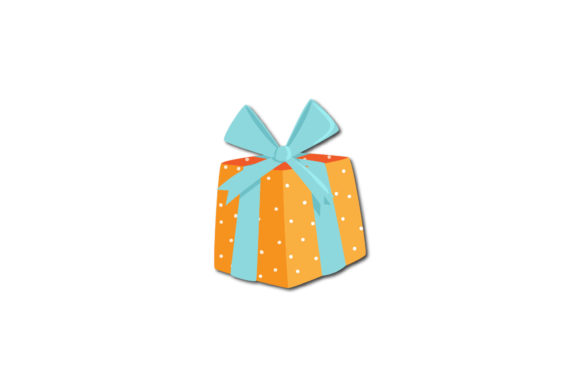
A Designer's Hands-On Review of Christmas Hat Fun Party Illustration
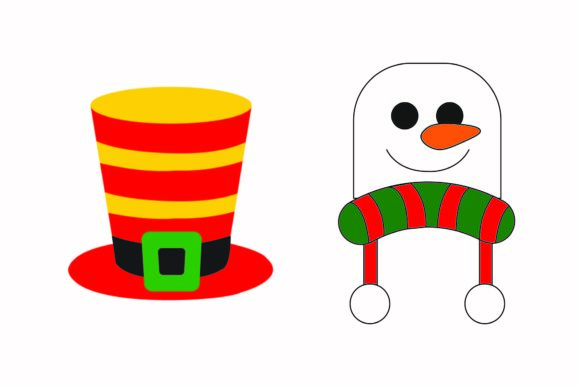
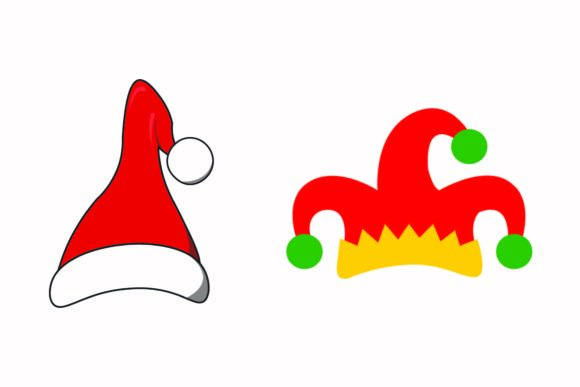
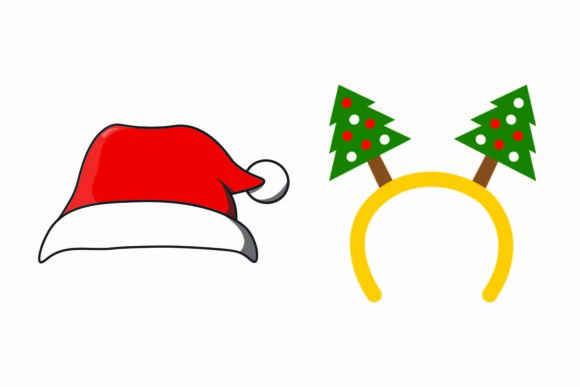
When you’re in the business of turning digital designs into stitched reality, the first glance at a file tells you a lot. Opening the Christmas Hat Fun Party Illustration, my immediate thought was: this is cheerful, uncluttered, and ready to work. The layout isn’t just a graphic; it feels like a direct translation into thread. The playful, slightly tilted party hat, with its simple stripes and clean lines, creates a mood that’s festive without being overwhelming. It’s the kind of visual personality that belongs on something meant to be worn or used—not just looked at. For embroidery, that’s a crucial starting point.
Where This Design Finds Its Natural Home
I mentally placed this design on a few surfaces right away. Imagine a custom embroidered tote bag for a holiday market. The illustration’s size and shape would sit perfectly centered, a bold but friendly statement. On a child’s sweatshirt or a baby’s blanket, it becomes a sweet, recognizable accent without sharp corners that might worry parents. It’s also an ideal candidate for a simple embroidered patch—something you could iron onto an apron or a cap for a quick, homemade holiday uniform. The beauty here is in its adaptability. As a graphics file meant for embroidery, it doesn’t lock you into one product type. It invites you to think about personalized gifts, small shop merchandise, or even a series of matching holiday embroidery items for a boutique line.
The Stitching Reality: How It Translates to Thread
Moving from screen to hoop, the practical considerations begin. The provided digital files, including the SVG and DXF, are typically clean for digitizing, but the real test is in the stitch. The design’s relatively open areas mean stitch density shouldn’t become a problem on most fabrics, avoiding that stiff, board-like feel some dense fills create. This is a relief for items like tea towels or pillow covers that need to remain soft. However, those clean lines depend on precision. On a curved surface like a cap, you’d need a good stabilizer and careful hooping to keep the hat’s shape from distorting. For dark fabric backgrounds, you’ll want to test thread color contrast—a bright red satin stitch for the hat stripes against a black sweatshirt will pop beautifully, but on a navy blue, it might need a slight hue adjustment.
Caution Zones: Where to Test Before You Commit
Every design has its careful-use cases. The Christmas Hat Fun Party Illustration, while clean, has some smaller areas—like the tip of the hat and the potential details in its base. On very textured fabrics like a thick knit, those details could get lost. If you’re thinking of putting this on a thin, stretchy fabric like a t-shirt, a solid stabilizer is non-negotiable to prevent puckering. Also, while the design feels medium-scale, attempting it in a very small hoop size for, say, a delicate baby item collar, might compress those elements too much. My strong advice is to always run a test on scrap fabric first, mimicking the final product’s material and color. This isn’t just about checking the machine embroidery design; it’s about seeing the finished product with human eyes. Does it look crisp? Does it feel integrated into the fabric?
Beyond the Stitches: The Impact on Your Craft Business
Using a design like this isn’ just a technical choice; it’s a business and aesthetic one. When a customer sees this embroidery on a handmade product, the clarity and cheerfulness of the Christmas Hat Fun Party Illustration build trust. It looks professional, intentional. That increases the perceived value of your tote bag or apron. For an Etsy seller or craft fair vendor, it creates a cohesive look if used across a holiday collection—strengthening your brand consistency. As a gift, it’s instantly recognizable and warm, boosting its giftability. In your printable mockups or digital product previews for a craft business, a well-executed version of this design shows buyers exactly what they can create, driving engagement.
Practical Notes From the Worktable
Before you load this embroidery file, here’s my checklist from a designer’s perspective. First, confirm the exact licensing for this set of digital embroidery files—can it be used for commercial embroidery projects where you sell the finished items? That’s foundational. Second, even with the provided AI and EPS files, your digitizing software and machine compatibility are your responsibility. Third, test the design in both light and dark fabric backgrounds in a simple black-and-white mockup to plan your thread palette. Fourth, inspect the small details in a larger hoop first to ensure they’ll be clear when stitched. Finally, consider the end-use: for products that need frequent washing, like kitchen towels, a robust satin stitch and proper thread choice will ensure the Christmas Hat Fun Party Illustration stays festive for many seasons.
In the end, this illustration succeeds by being a straightforward, joyful graphic that understands its conversion into thread. It doesn’t over-promise detail it can’t deliver in stitches, and its shape lends itself naturally to the kinds of projects we actually make and sell. Whether you’re an apparel decorator preparing holiday sweatshirts or a hobbyist making personalized gifts, approaching it with these practical eyes will turn a digital asset into a beloved stitched reality.