Evaluating the Snowman Character Christmas Embroidery Design
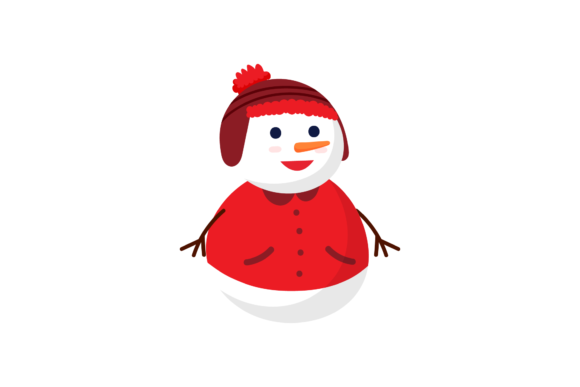
As an embroidery designer who works on real client projects and handmade products, I’m always looking at designs not just as digital files, but as stitches waiting to be made. Today, I’m putting the Snowman Character Christmas design through that lens. This cheerful illustration is available as AI, EPS, SVG, DXF, JPG, and PNG, with a canvas size of 1920 px by 1280 px. The promise is that it's easy to use and editable. That’s the starting point. My goal is to think through how this file translates into actual embroidered goods—from a custom holiday sweatshirt to a boutique kitchen towel.
A Warm, Welcoming Holiday Mood
The first impression of this snowman character is pure, friendly holiday charm. It's not a stark or overly complex graphic; it’s an illustration with a warm visual personality. The layout feels balanced for a decorative focal point, and the detail level appears suited for embroidery without becoming overly dense. This mood suggests it belongs to projects meant to evoke nostalgia and cheer—think personalized gifts, family holiday apparel, or small shop merchandise aimed at making customers smile.
Where This Design Naturally Finds Its Home
In practical terms, this Snowman Character Christmas illustration feels destined for a range of holiday embroidery projects. Its classic theme would resonate on custom apparel like festive sweatshirts or t-shirts for a family photo. I can see it beautifully centered on a cozy tote bag for gift-giving season, or as a charming accent on a child’s beanie or a baby blanket for nursery decor. For craft business items, it could become a standout feature on an apron for holiday baking, a pillow cover for seasonal home styling, or a tea towel as a simple, giftable kitchen item.
The graphic style also lends itself well to creating an embroidered patch, which could then be applied to various products or sold as a standalone item at craft fairs. For digital product sellers, this file serves as a strong design asset for printable mockups or as part of a holiday-themed digital product collection for other creatives.
Thinking Through the Stitching Reality
Moving from the screen to the hoop requires some practical thinking. While I don’t have specific stitch counts or hoop sizes from the provided information, the canvas dimensions (1920x1280 px) suggest a design of decent scale. In real-life embroidery situations, I’d imagine this working well on medium to larger hoop sizes for optimal clarity. On a sweatshirt or tote bag, the friendly character would stitch out with good presence.
However, one must consider where to use it carefully. Small hoop sizes might compress the details too much. On textured fabrics like some blankets, or on stretchy fabrics like certain caps, careful stabilizer choice would be key to maintaining the shape. For dark fabric backgrounds, the thread color contrast plan becomes crucial—this design likely relies on clear outlines and fills, so a thoughtful color palette is essential. The design doesn’t appear to have tiny lettering, which is a relief for stitching clarity, but any intricate corners or decorative accents within the illustration should be inspected in a test run.
A Scenario: Crafting a Holiday Gift Tote
Let’s walk through a real case. Imagine preparing a custom embroidered tote bag as a holiday gift for a client. I’d select a natural canvas fabric. After checking the licensing for commercial use, I’d open the Snowman Character Christmas embroidery file—likely the SVG or DXF for my machine software—and size it appropriately for the bag’s front panel. Before stitching, I’d absolutely test it on scrap canvas first. This step reveals everything: the actual stitch density (to ensure it’s not too thick for the fabric), how small details like the snowman’s smile translate into satin or fill stitches, and whether the overall silhouette remains crisp.
This test also lets me compare how it looks conceptually in both light and dark fabric mockups, even if my project uses light fabric. That knowledge helps for future projects. A successful stitch on this tote would create a product with high visual appeal and a handmade presentation that feels professional. It boosts product value and customer trust because the final embroidery looks intentional and clean.
Design Choices That Affect Your Finished Product
Using this design impacts more than just the stitch. For small business owners and Etsy sellers, it affects brand consistency if you offer a line of holiday goods. A well-executed embroidery based on this friendly graphic enhances giftability and recognition—people remember a cute, well-made snowman. For apparel decorators, it increases buyer engagement on a holiday sweatshirt listing because the design is relatable and visually sweet.
It’s important to discuss areas for caution. If you’re considering a product that needs frequent washing, like a kitchen towel or baby item, the integrity of the embroidery matters. A test on the final fabric type under washing simulation (a gentle hand wash test on your scrap) is wise. Also, for curved surfaces like caps, the design’s width and height proportions need to fit the curved area without distortion—hooping technique becomes paramount.
Practical Notes for the Embroidery Designer
Before committing this Snowman Character Christmas design to a client project or your craft business inventory, here are my grounded notes:
- Always test the embroidery file on a scrap of your target fabric first. This is non-negotiable.
- Check thread color contrast against your fabric. Plan your palette for both light and dark backgrounds.
- Review the stitch density by observing the test run. Too dense can cause puckering; too light might look unfinished.
- Confirm the hoop size needed for your desired final output size on the product.
- Inspect small details in the test—are any elements too fine to stitch cleanly on your chosen material?
- Use proper stabilizer for the fabric type; this supports the design’s shape and detail.
- Check whether the design works for both personal and commercial projects by verifying the license provided with the files.
- And crucially, confirm all licensing terms before selling finished items or including it in digital products for sale.
Remember, the provided formats—AI, EPS, SVG, DXF, JPG, PNG—offer flexibility for editing and machine compatibility, but the exact performance as an embroidery file depends on your machine, your materials, and your testing.
Final Thoughts on Real Project Use
The Snowman Character Christmas design, from an experienced standpoint, holds potential as a versatile, cheerful asset for holiday-themed embroidery work. Its illustrative nature fits the graphics category well, translating into stitches that can elevate handmade products and personalized gifts. By approaching it with a practical, testing-focused mindset, you can ensure it becomes a professional, engaging element on your custom apparel, patches, or boutique merchandise. It’s about taking that promise of an easy-to-use file and proving it through real stitches on real products, which is where the true value for makers and creative entrepreneurs lies.